
Promoting Science, Technology, Engineering & Mathematics to Tomorrow's Leaders.
For more than a decade, the Harris Foundation put a living example of what's possible in front of young people who had been told it wasn't meant for them. The Dare to Dream program was created to ensure that young people would have the tools to make right choices, stay in school and get a high-quality STEM education. The program was designed to boost self-esteem and provide positive role models for elementary school students. We are bringing that mission back, rebuilt for a generation growing up inside AI, automation, and an opportunity gap that is still widening.
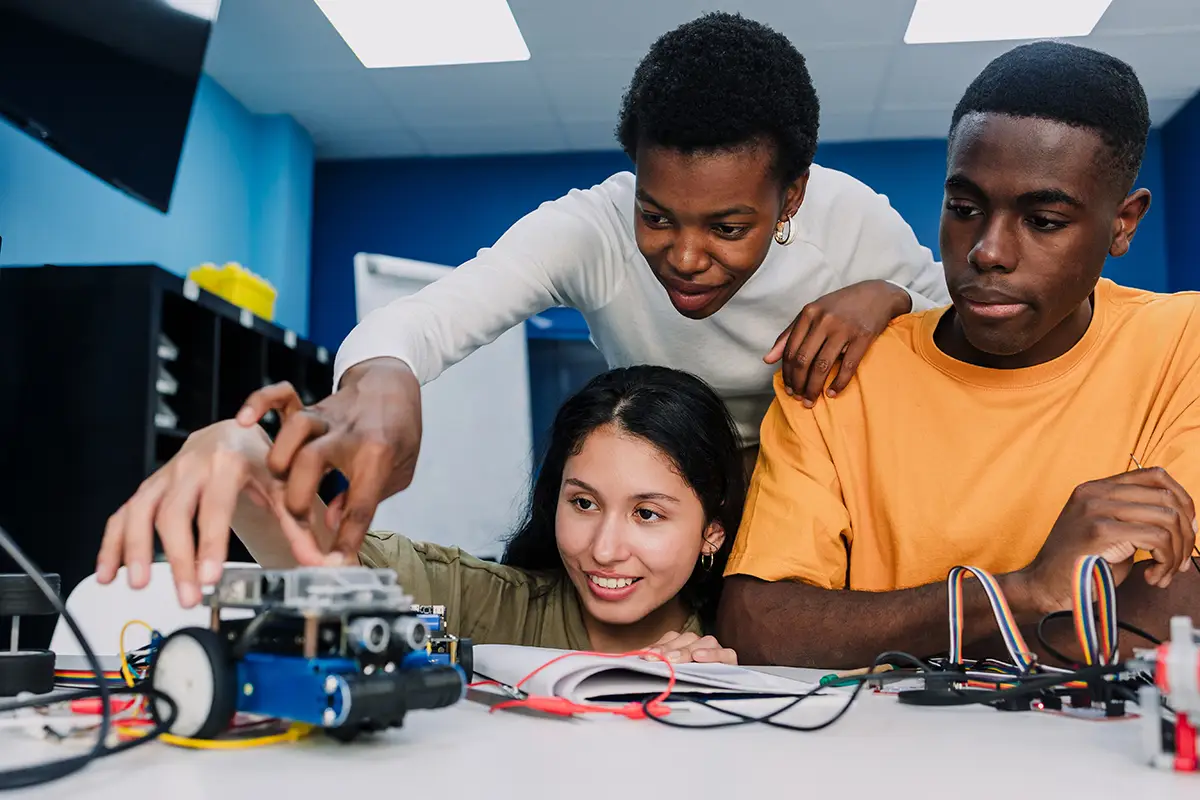
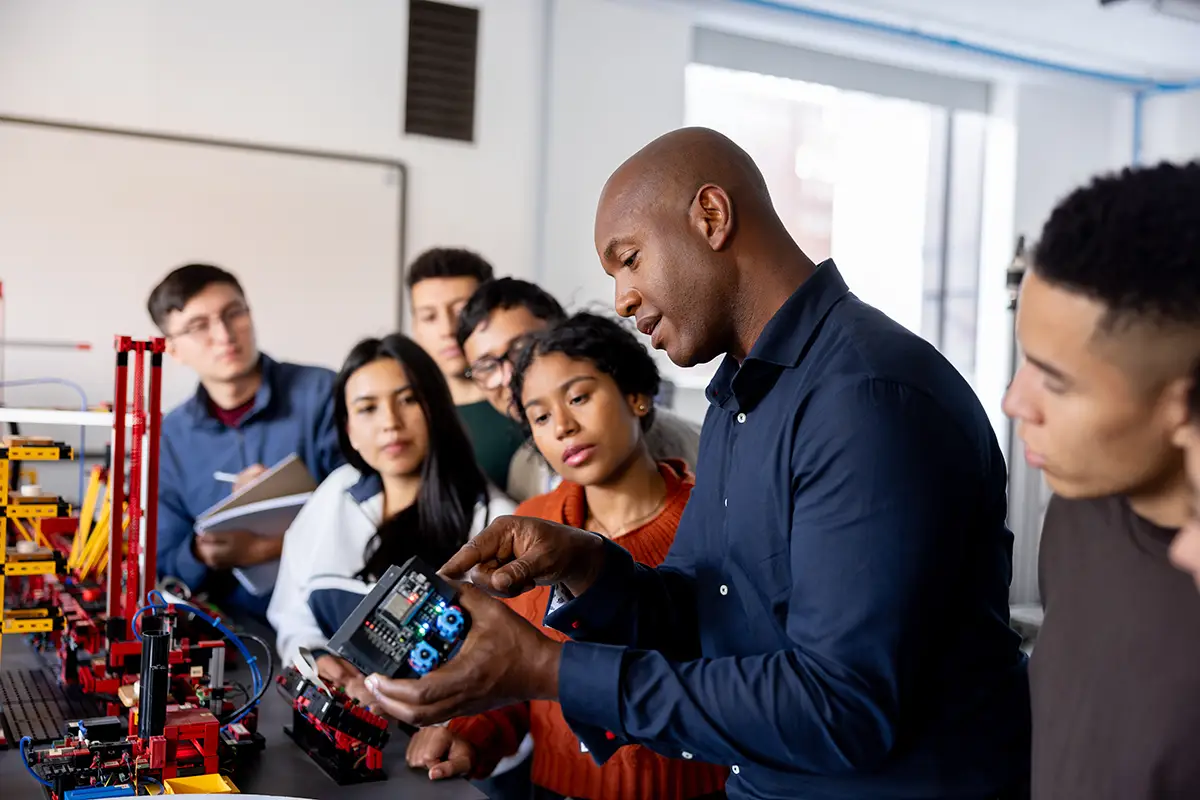
The STEM message that moved a generation a decade ago still matters — but inspiration alone no longer meets the moment. Today's young people are growing up surrounded by AI and technology, yet being surrounded by it is not the same as knowing how to understand it, navigate it, and turn it into a career pathway. That fluency gap is real, and the pandemic widened it most in the communities this Foundation exists to serve. The pause was deliberate; the moment to move again is now.
Juvenile detention centers have no strong STEM lane. The young people inside those walls are among the least likely to encounter real science, technology, and design education — at exactly the moment it could change their direction. That is where the Harris Foundation leans in: bringing STEM, AI, and digital-literacy learning into detention and reentry settings as a core purpose, not an add-on.
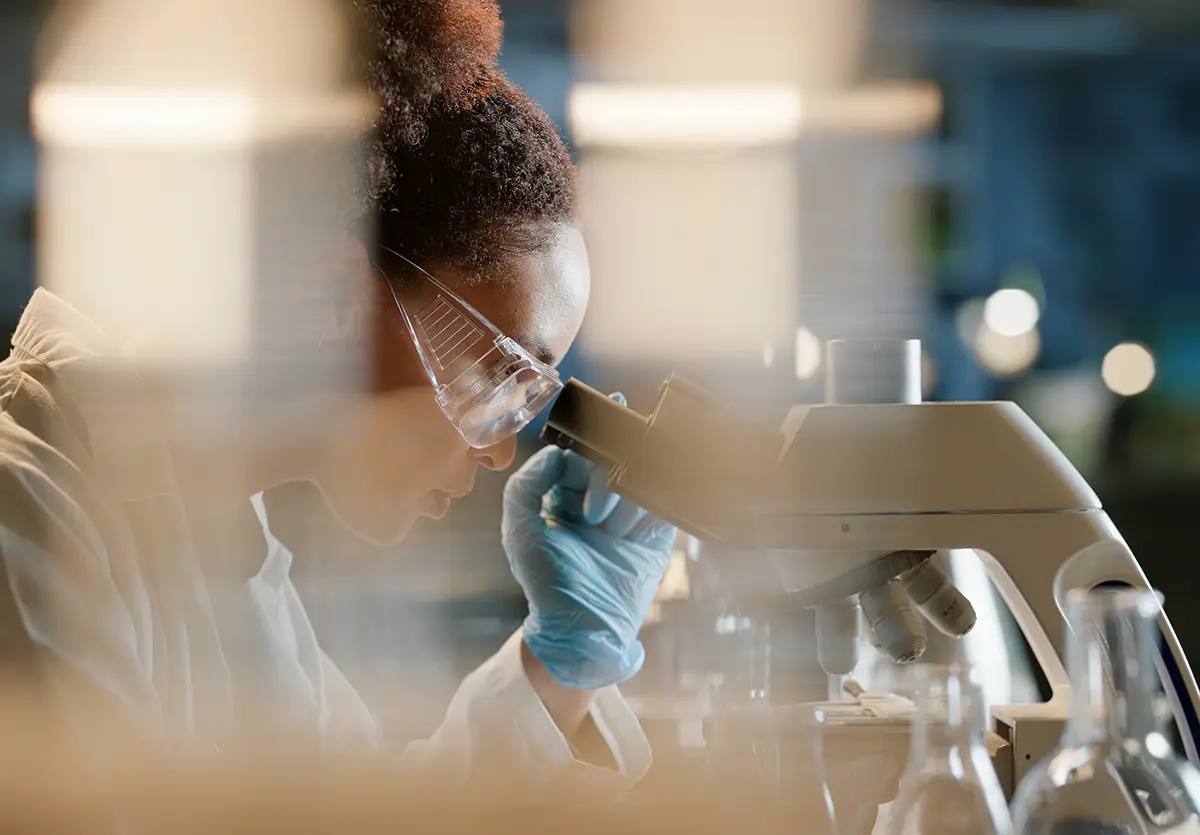
Over 2026 and 2027, we will pilot Dare to Dream 2.0 in a select set of sites — building the evidence base to do something larger: use the model to shape policy for STEM education in detention settings. The goal is not only to run a strong program, but to set the standard the field adopts — turning a proven pilot into the blueprint for how STEM reaches young people in custody nationwide.
The Harris Institute / Foundation
P.O. Box 130648
Houston, TX 77219, USA
© 2026 The Harris Institute/The Harris Foundation. All rights reserved.
